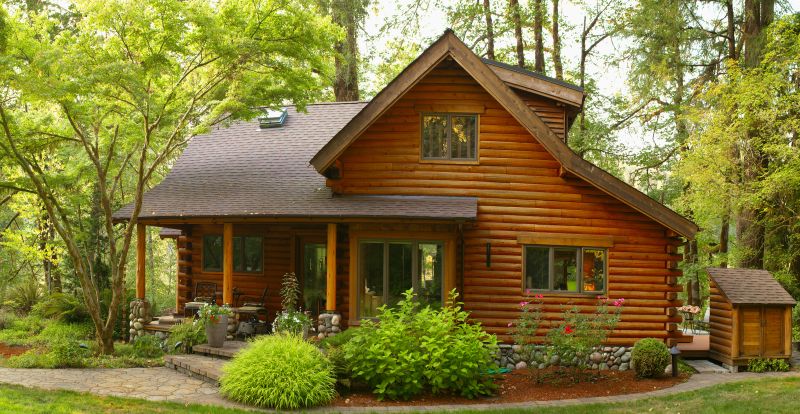
Log Home Weatherproofing in Seattle, WA
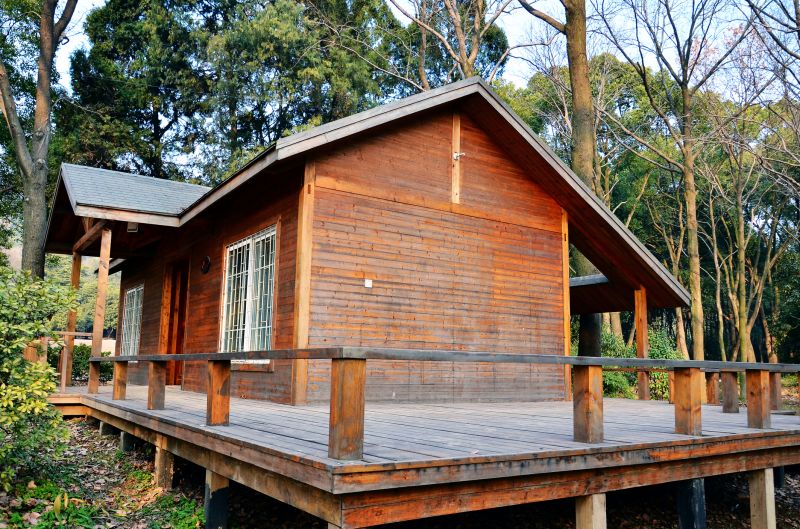
Log home weatherproofing services help protect wooden structures from the damaging effects of moisture, wind, and temperature fluctuations. These services typically include sealing gaps, applying protective finishes, and ensuring proper insulation to prevent water infiltration and reduce wear over time. Projects may involve treating entire exteriors, reinforcing vulnerable areas like foundations and rooflines, or maintaining existing finishes to extend the lifespan of the home’s timber components. Homeowners often seek weatherproofing to improve energy efficiency, prevent rot and mold, and preserve the aesthetic appeal of their log homes.
Before requesting weatherproofing services, property owners usually want to understand the specific areas that need attention and the types of treatments available. Clarifying whether the goal is to enhance durability, improve insulation, or address existing issues with moisture intrusion helps ensure the right solutions are chosen. It’s also helpful to consider the current condition of the log surfaces, any previous treatments applied, and the overall maintenance history of the home. This information allows for a tailored approach that effectively safeguards the structure while maintaining its natural beauty.
Many property owners in Seattle, WA look into Log Home Weatherproofing for repairs, replacements, upgrades, and appearance-related improvements.
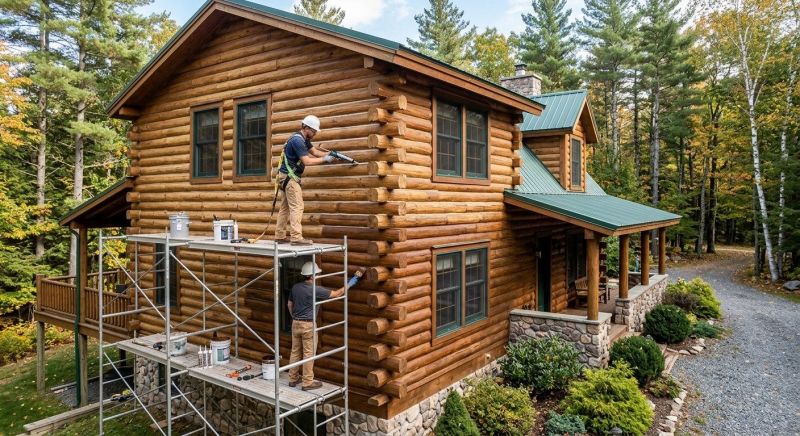
Protecting Log Homes From Moisture
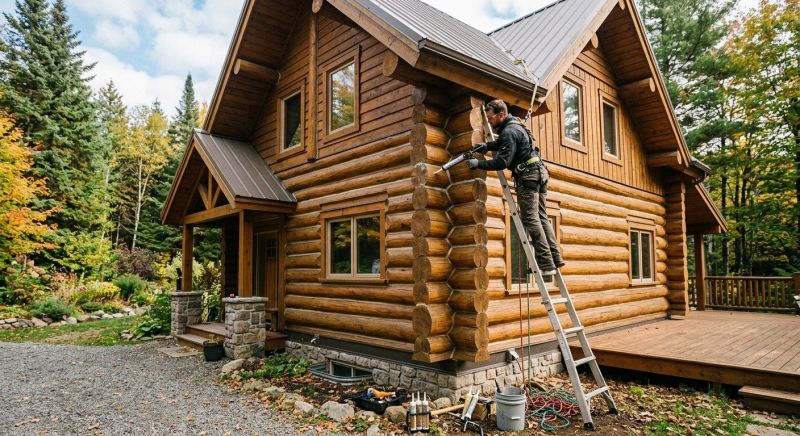
Weatherproofing helps prevent water intrusion and wood rot in log homes.
Enhancing Durability And Longevity
Proper sealing and treatments extend the lifespan of log structures in the seattle area.
Maintaining Curb Appeal And Value
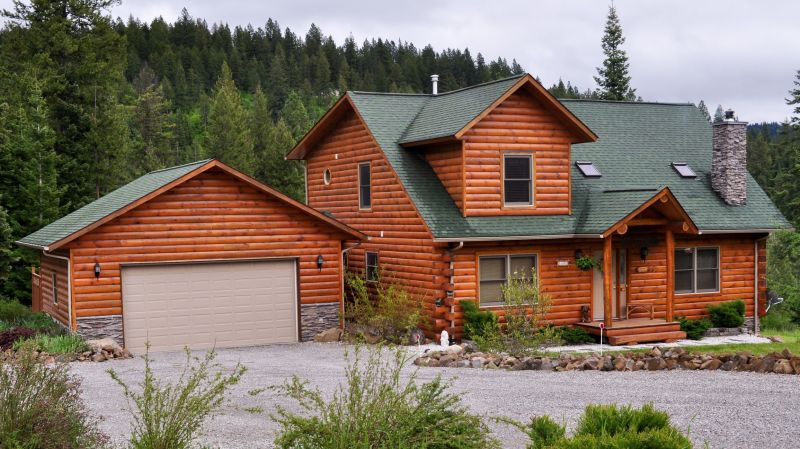
Weatherproofing preserves the appearance and structural integrity of log homes over time.
Log Home Weatherproofing in Seattle, WA

Log home weatherproofing services help protect wooden structures from the damaging effects of moisture, wind, and temperature fluctuations. These services typically include sealing gaps, applying protective finishes, and ensuring proper insulation to prevent water infiltration and reduce wear over time. Projects may involve treating entire exteriors, reinforcing vulnerable areas like foundations and rooflines, or maintaining existing finishes to extend the lifespan of the home’s timber components. Homeowners often seek weatherproofing to improve energy efficiency, prevent rot and mold, and preserve the aesthetic appeal of their log homes.
Before requesting weatherproofing services, property owners usually want to understand the specific areas that need attention and the types of treatments available. Clarifying whether the goal is to enhance durability, improve insulation, or address existing issues with moisture intrusion helps ensure the right solutions are chosen. It’s also helpful to consider the current condition of the log surfaces, any previous treatments applied, and the overall maintenance history of the home. This information allows for a tailored approach that effectively safeguards the structure while maintaining its natural beauty.
Many property owners in Seattle, WA look into Log Home Weatherproofing for repairs, replacements, upgrades, and appearance-related improvements.
Common Log Home Weatherproofing Jobs
Log Home Weatherproofing - Ensures protection against moisture and harsh weather conditions.
Sealing and caulking - Helps prevent drafts and water intrusion around windows and doors.
Exterior stain and finish application - Provides a weather-resistant barrier to preserve wood surfaces.
Roof and gutter sealing - Keeps rainwater out and prevents water damage to the structure.
Foundation and sill plate sealing - Protects against ground moisture and pest infiltration.
Chinking and crack repair - Maintains the integrity of logs and prevents air leaks.
Log Home Weatherproofing Questions
Why is weatherproofing important for log homes? Weatherproofing helps protect logs from moisture, UV damage, and temperature changes, extending the lifespan of the home.
What types of weatherproofing treatments are available? Treatments include sealants, stains, and specialized coatings designed to block water infiltration and prevent decay.
How often should log home weatherproofing be reapplied? Reapplication is typically recommended every 3 to 5 years, depending on exposure and product used.
What signs indicate a log home needs weatherproofing? Signs include peeling stain, visible cracks, or increased moisture inside the home. Regular inspections can help identify issues early.
Request Log Home Weatherproofing in Seattle, WA
Use the quote form on this page to share the basics of your project and request more information for the type of work you need.